Quick Answer
You balance privacy and openness by deciding where the home should feel connected and where it should feel protected, then designing each area to match. Walls, courtyards, landscaping and careful window placement can shield the right spaces while still welcoming light and views. Separating public and private zones inside the home supports both entertaining and quiet time.
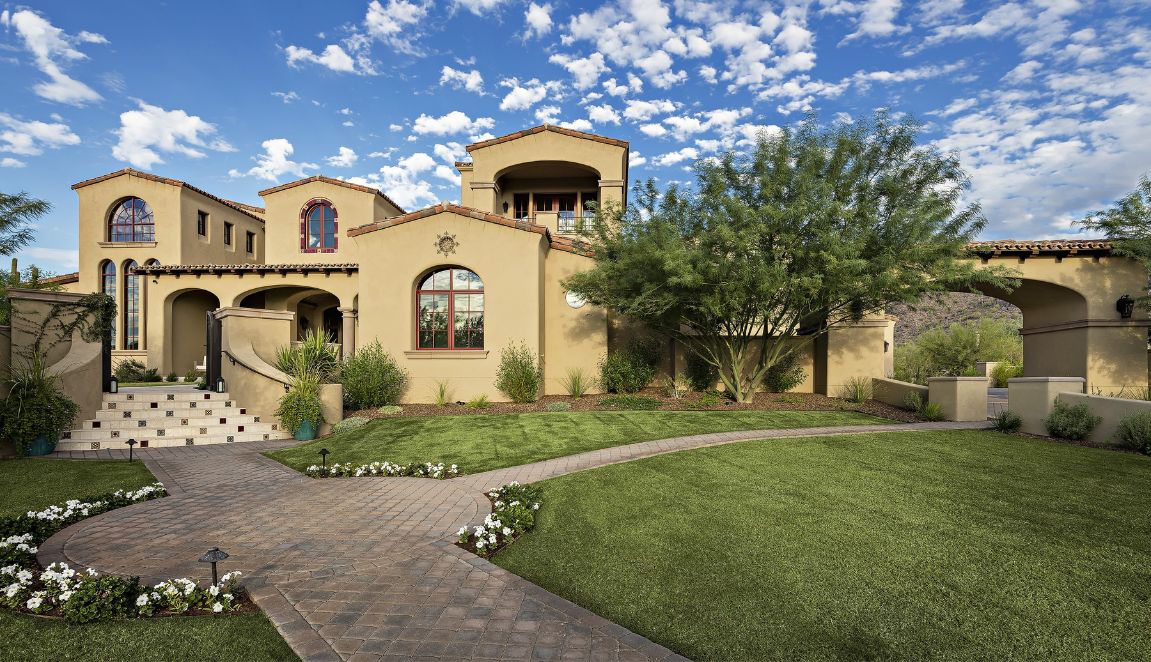
Open layouts and expansive glass are appealing, but they work best when privacy is planned alongside them. Mooney Design Group is a Scottsdale Luxury Custom Home Architectural Designer who shapes homes that feel open to the desert yet calm and personal inside.
Why do privacy and openness sometimes conflict?
Privacy is one of the more nuanced parts of designing a custom home. Big windows and open plans bring in light and views, but they can also leave rooms exposed to neighbors or the street.
The answer is not choosing one over the other. It is deciding where each quality belongs and designing with intention.
Thinking about privacy early keeps it from becoming an afterthought solved with heavy curtains or blinds that block the very light and views you wanted.
Every household draws that line a little differently. Some want a home that feels completely open to the landscape, while others prefer a more inward looking plan with carefully framed views.
How does the site affect privacy?
In Scottsdale, neighboring homes, street positioning and the natural surroundings all influence how privacy is achieved. A window facing open desert needs very different treatment than one facing a nearby home.
Studying these conditions early helps place the most open parts of the home where they can be enjoyed without feeling on display.
Topography can help too. Changes in grade can raise or lower parts of the home so windows look past neighbors rather than directly at them.
Walking the lot at different times of day can reveal where views, noise and activity are strongest, which helps guide where openness and privacy should go.
Which design tools create privacy without closing a home off?
Strategic placement of a few key elements can create quiet, protected areas without sacrificing light:
- Garden walls and screen walls that block views in but not light
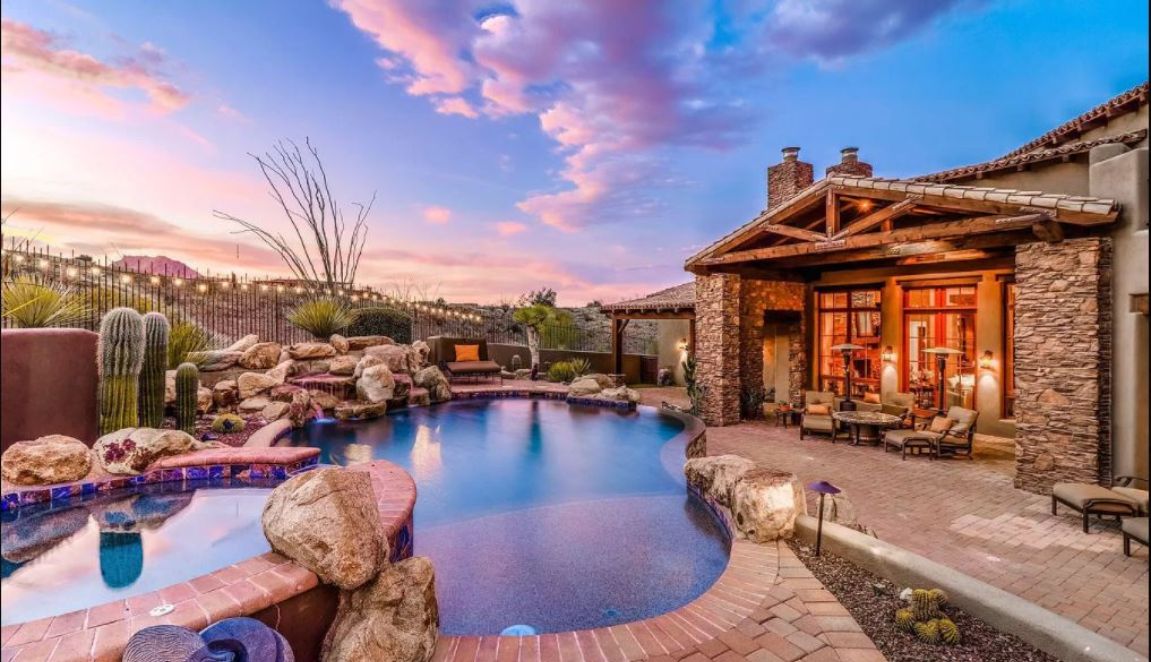
- Courtyards that bring the outdoors inside a protected edge
- Landscaping that softens sight lines from neighbors
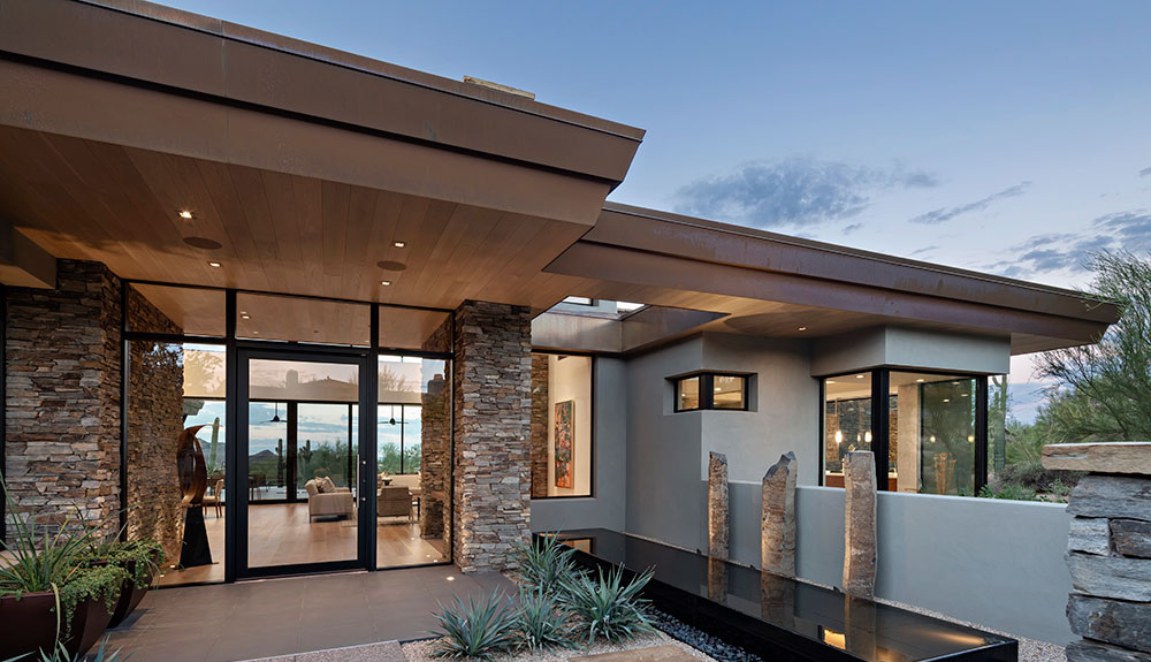
- Clerestory windows that admit daylight high above eye level
- Deep overhangs and covered patios that add shade and shelter
Used together, these tools let a home stay bright and open while still giving you control over what others can see.
How should the interior be zoned?
Interior layout plays a big role. Separating public spaces like the kitchen and great room from private spaces like bedrooms allows for both entertaining and relaxation without compromise.
A Scottsdale Architectural Designer can arrange these zones so guests feel welcome in shared areas while family retreats stay quiet and tucked away.
Even small moves help, such as placing a hallway or closet between shared and private rooms to buffer sound and add a sense of separation.
Outdoor rooms can be zoned the same way, with a lively entertaining patio off the great room and a quieter, more sheltered space near the bedrooms.
How might privacy needs change over time?
Privacy needs can shift as your life changes, especially if your home hosts guests often or family members move in. Planning flexible guest areas or separate wings can keep everyone comfortable.
Keeping these possibilities in mind leads to a more adaptable home that continues to feel comfortable and intentional for years.
A home that balances openness and privacy well lets you choose how connected you want to feel, whether you are hosting a crowd or enjoying a quiet morning alone.
Your designer can help you think through these possibilities without overbuilding for situations that may never happen.
Frequently Asked Questions
Can I have large windows and still feel private?
Yes. Careful orientation, walls, landscaping and shading let you enjoy large windows without feeling exposed.
Are courtyards good for privacy?
They can be very effective, creating outdoor space that feels open to the sky but protected from neighbors.
Where should the primary suite go for privacy?
Often away from main living areas and the street, with views toward private outdoor space.
Do HOA rules affect privacy walls?
They may. It is best to confirm wall heights and landscaping guidelines with your HOA or the City of Scottsdale.
Can landscaping replace walls for privacy?
Sometimes. Plants can soften views, though walls or structures may be needed where stronger screening is important.
Related Questions
- How Does My Scottsdale Lot Shape the Design of My Home?
- What Makes a Custom Home Feel Truly Luxurious?
- Does a Bigger Home Mean a Better Home?
Looking for a Scottsdale Luxury Custom Home Architectural Designer?
Mooney Design Group is a Scottsdale Architectural Designer who plans privacy and openness together, so your home can welcome light and views while still feeling like a personal retreat.
If you want a home that feels open yet protected, reach out to Tom Mooney at Mooney Design Group (480-242-1196) to talk about designing your home in Scottsdale.